
Joka Casino Grid Slots Evolution Guide

The online gaming world has changed dramatically, especially in how slot machines are designed and played. Traditional spinning reels have evolved into complex visual systems that reward pattern recognition rather than simple line matching. This shift has reshaped player strategy and engagement. At the core of this transformation is a move toward more interactive formats. Modern platforms like https://www.jokacasino.live now showcase both classic and advanced slot structures, giving players more variety than ever before.
Understanding this evolution is essential for anyone focused on long-term play efficiency, especially within a fast withdrawal casino environment where gameplay speed and payout timing matter.
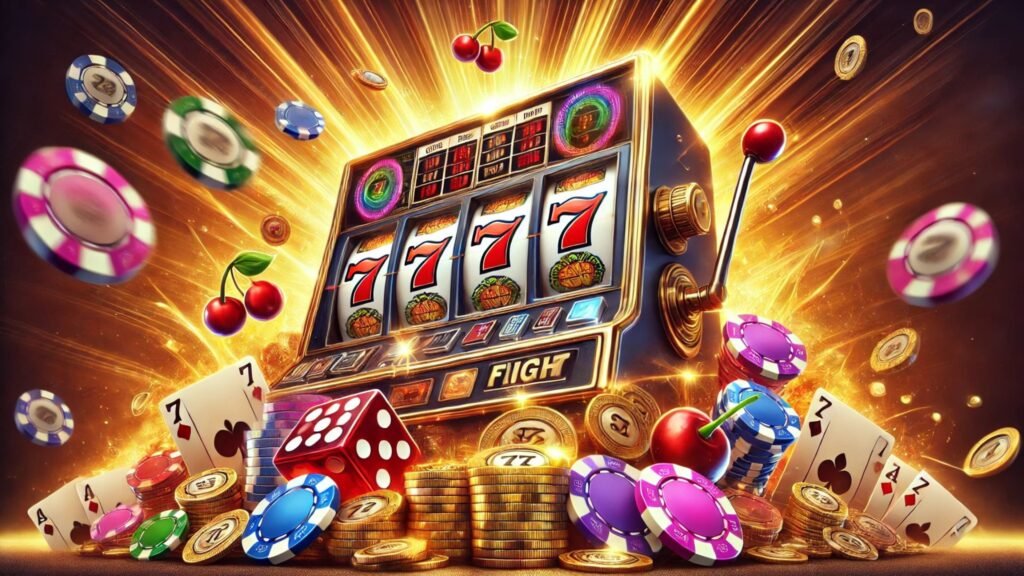
The Era of Fixed 3-Reel Slot Machines
Classic 3-reel slots represent the foundation of digital casino gaming. These machines follow simple linear paylines where symbols must align horizontally to create wins.
This structure is easy to understand, which made it extremely popular in early online casinos. Players only needed to track one direction of movement, and outcomes were straightforward.
However, the simplicity also limited engagement. Wins were predictable in structure but limited in variety. Over time, players demanded more interactive experiences.
Key characteristics of traditional slots include:
- Fixed paylines
- Simple symbol alignment
- Lower volatility designs
- Predictable payout structure
Even in a fast withdrawal casino environment, these games still hold value for players who prefer simplicity and steady gameplay.
The Shift Toward Modern Payline Systems
As technology improved, slot design moved beyond static reels. Developers introduced multiple paylines, expanding win possibilities across different directions.
This shift increased complexity but also improved engagement. Players could now win diagonally, vertically, and in zigzag patterns.
The evolution also introduced more dynamic bonus features, which added depth to gameplay sessions. These systems helped bridge the gap between traditional slots and modern grid-based mechanics.
Understanding Cluster Grid Slot Formations
Cluster grid slots represent a major leap in structural design. Instead of paylines, these games use adjacency-based winning systems.
Wins are formed when matching symbols connect in groups, rather than along a single line. This creates a more visual and dynamic experience.
Unlike traditional slots, cluster systems reward pattern recognition across the entire grid. This opens up multiple simultaneous win paths.
Core features of cluster grids include:
- No fixed paylines
- Group-based wins
- Expanding win chains
- Cascading symbol mechanics
These mechanics increase excitement while also changing how players assess risk and reward in a fast withdrawal casino setting.
Payline Systems vs Grid-Based Logic
The difference between payline slots and grid-based systems lies in structure and player interaction. Payline slots focus on direction, while grid systems focus on proximity.
Payline systems require strict alignment. If symbols do not match a line, no win occurs. This creates a structured but rigid gameplay model.
Grid systems, however, allow more flexibility. Symbols only need to touch or cluster together to form a win, making gameplay more fluid.
Comparison overview:
- Paylines: linear and structured
- Grids: flexible and spatial
- Paylines: fixed outcomes
- Grids: dynamic chain reactions
In a fast withdrawal casino, this distinction matters because grid systems often lead to more frequent, smaller wins, while paylines rely on precise alignment for larger payouts.
Player Psychology in Modern Slot Structures
Modern slot design does not only focus on mechanics; it also influences player psychology. Grid systems, in particular, create a continuous sense of movement and anticipation, keeping players engaged with every cascade and symbol drop. This effect becomes even more noticeable in mobile-first environments, where gameplay is faster and more visually immersive. For players exploring joka casino mobile casino bonuses, these design elements highlight how modern slots are built to maintain attention while delivering layered bonus opportunities. As a result, engagement is driven not just by wins, but by the evolving visual rhythm of the game itself.
Cascading wins and chain reactions keep players engaged longer. Each spin feels less isolated and more connected to the next.
Traditional slots, on the other hand, offer clear pause points between spins. This creates a more structured rhythm.
Psychological impacts include:
- Increased engagement from continuous action
- Higher emotional response to chain wins
- Reduced downtime between outcomes
- Greater immersion in gameplay flow
These effects play a major role in shaping behavior within a fast withdrawal casino environment, where session pacing can influence betting strategy.
Risk and Volatility Differences
Volatility plays a major role in slot performance. Traditional 3-reel slots often offer lower volatility but smaller wins. Grid systems, however, introduce more variable outcomes.
Cluster-based games can generate frequent small wins or rare large chain reactions. This creates a more unpredictable but exciting structure.
Understanding volatility helps players manage bankroll expectations more effectively.
Key differences include:
- Payline slots: stable but limited upside
- Grid slots: variable but higher potential chains
- Paylines: consistent pacing
- Grids: fluctuating intensity
A fast withdrawal casino model benefits from this variety because players can choose games that match their risk tolerance.
Game Design Innovation and Player Choice
Modern casino platforms now offer both traditional and grid-based games side by side. This allows players to switch between different styles depending on their strategy.
Developers continue to experiment with hybrid models that combine paylines and cluster mechanics. This creates even more dynamic gameplay structures.
This diversity is especially valuable in a fast withdrawal casino ecosystem where player satisfaction depends on flexibility and game availability.
Strategic Approaches for Modern Slot Play
Players today need to adapt their strategies based on game structure. Payline slots require patience and timing, while grid slots reward pattern awareness and momentum tracking.
Successful players often rotate between both formats to balance risk and engagement.
Effective strategies include:
- Switching between slot types during sessions
- Adjusting bets based on volatility
- Tracking chain reaction patterns in grid games
- Using low-risk spins to extend playtime
In a fast withdrawal casino environment, these strategies help players maintain control over bankroll flow while maximizing entertainment value.
The Future of Slot Machine Design
The evolution of slot systems is far from over. Developers are now exploring more immersive mechanics, including 3D environments and interactive bonus layers.
Artificial intelligence may also play a role in future game balancing, adjusting volatility patterns based on player behavior.
We can expect even more hybrid structures combining paylines, grids, and bonus-driven events.
The direction is clear: slot machines are becoming more interactive, more visual, and more strategic.
Conclusion
The transition from fixed 3-reel slots to cluster grid formations represents one of the most significant changes in casino gaming history. It has reshaped how players interact with games, how wins are calculated, and how strategies are developed.
Traditional slots still offer value through simplicity, while modern grid systems deliver dynamic engagement and complex reward structures. Both formats now coexist, giving players more choice than ever.
In a fast withdrawal casino environment, this balance ensures that players can enjoy both stability and innovation while maintaining control over their gaming experience.
Author: Lynn